Free, practical tips from the HOX team: SEO, ads, social, design and everything in between. Pick a topic and start reading.

Pick keywords by intent, not by volume
A 200-search keyword from people ready to buy beats a 20,000-search one from people writing a school essay.
Read the tip
One page, one topic
Two pages chasing the same keyword split the votes. Merge them, redirect the loser, and watch the winner climb.
Read the tip
Write the title tag for the click, not the crawler
Google already knows what the page is about. The title tag is the one line that decides whether a person opens it.
Read the tip
Set the budget from the margin, not the round number
Work backwards from what a customer is worth and you know what a click may cost before you spend a euro.
Read the tip
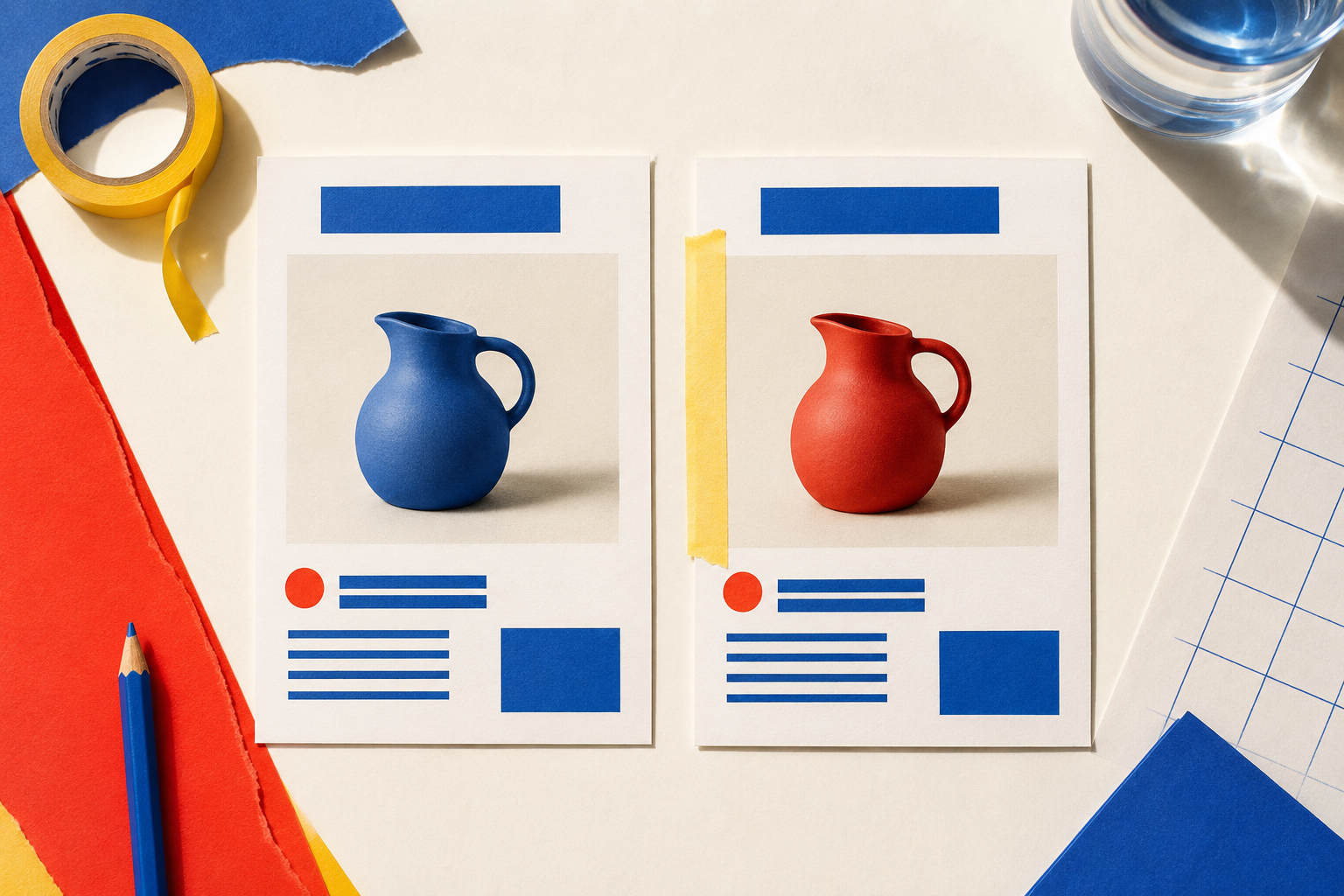
Give every test one variable
Change the picture and the headline together and you learn nothing, whichever ad wins.
Read the tip
Exclude what you already own
Paying to reach existing customers and people already on the site is the easiest waste to cut.
Read the tip
The first second decides the post
Nobody reads a caption before they stop scrolling. The frame, the face or the first three words have to do that on their own.
Read the tip
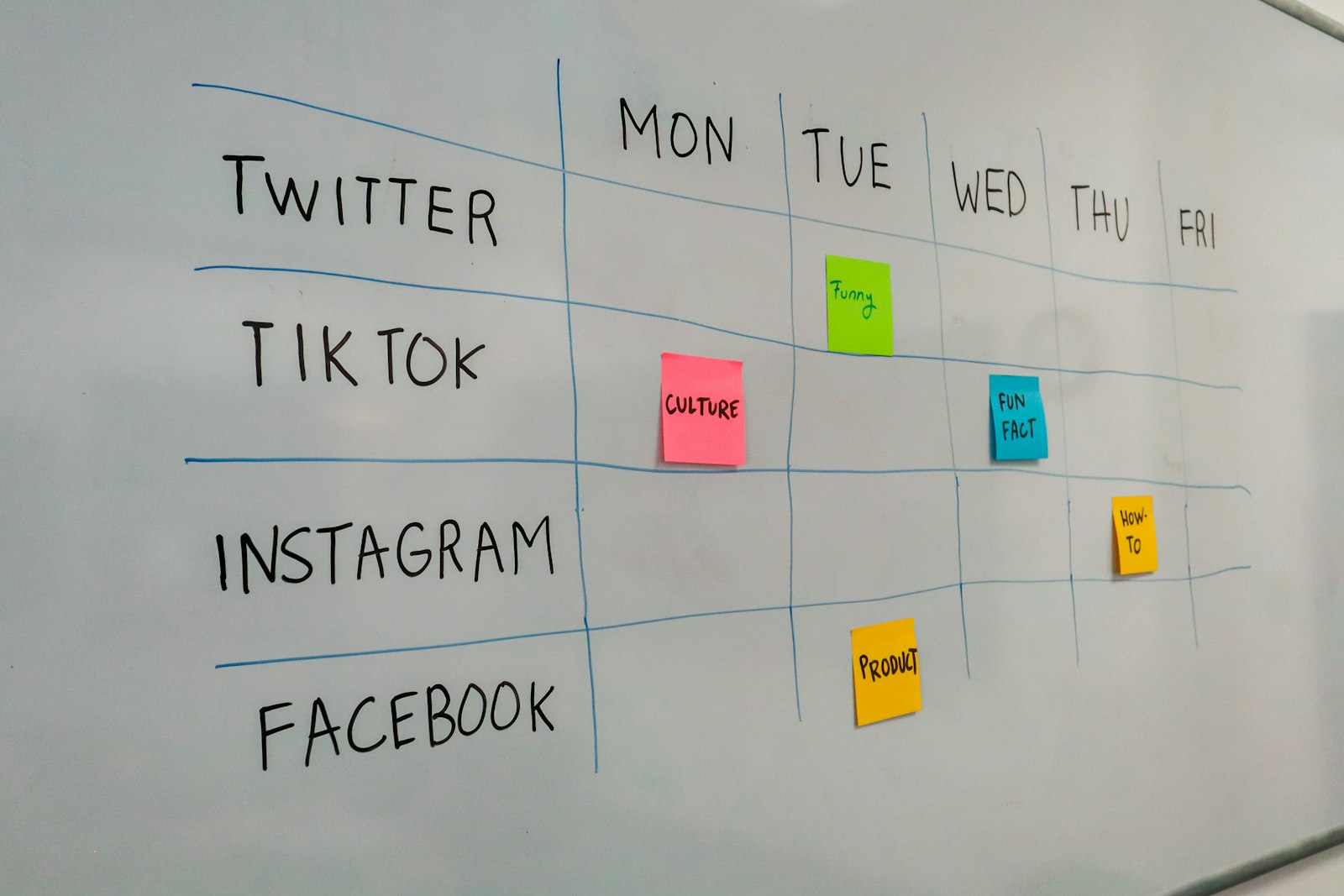
Post less, in a pattern
Three good posts a week on a fixed rhythm beat a daily scramble, and they are far easier to keep up.
Read the tip
Answer every comment for the first hour
Early replies tell the algorithm the post is a conversation, and tell the audience that someone is home.
Read the tip
Put the answer above the fold
In five seconds a visitor should know what you do, who it is for and what to do next. Everything else can wait for the scroll.
Read the tip
Build on a type scale, not by eye
Five sizes, chosen once, make every page look like it belongs to the same site without a designer checking each one.
Read the tip
Compress the images before you do anything else
The fastest performance win on nearly every site is a folder of photos that are five times bigger than the screen will ever show.
Read the tip
Position against a real alternative
A brand is a choice. If you cannot say what the customer would do instead of you, you have not positioned anything yet.
Read the tip
Write the voice down in one page
Three adjectives and ten example sentences do more for consistency than a fifty-page brand book nobody opens.
Read the tip
One colour does the work
Give the brand a single colour that is used for one job and nothing else, and people will recognise it from across the room.
Read the tip
Build the welcome sequence before the newsletter
A new subscriber is the most interested they will ever be. A monthly newsletter makes them wait; a welcome sequence meets them.
Read the tip
One email, one ask
Three links, three buttons and a PS with a fourth offer means the reader clicks none of them.
Read the tip
Authenticate the domain before you send anything
SPF, DKIM and DMARC are a morning's work, and without them the best email ever written lands in spam.
Read the tip
Decide the question before you open the tool
A dashboard with forty widgets answers nothing. Start from the decision you need to make and work back to the one number.
Read the tip
Name events so they survive the redesign
Track what the visitor did, not which button they pressed. The button will change; the intent will not.
Read the tip
Report the trend, not the week
A single week is noise. A thirteen-week line with last year beside it is a story a client can act on.
Read the tip
Answer the objection on the product page
Shipping cost, returns, sizing and delivery time are the four reasons carts are abandoned. Put all four next to the button.
Read the tip
Let people check out as a guest
Forcing an account before payment is the single most expensive checkbox in e-commerce.
Read the tip
Set up the three emails that recover revenue
Abandoned cart, browse abandonment and the post-purchase follow-up run on their own and pay for the platform.
Read the tip